Handcrafted Iron Gate Ordering Process: A Complete Guide
By BabyLoveGrowth
The handcrafted iron gate ordering process is a structured sequence of steps that takes your property from an open entry to a custom-designed, fabricated, and installed gate built to your exact specifications. For homeowners and property managers in Los Angeles, Beverly Hills, and Brentwood, this process covers site evaluation, design consultation, fabrication, and professional installation. Getting each step right protects your budget, avoids permit issues, and delivers a gate that performs for decades. The typical timeline runs 6–12 weeks from first consultation to final installation, depending on design complexity and material choices.
What are the prerequisites before ordering a handcrafted iron gate?
Preparation before the ordering process begins determines whether your project runs on time and on budget. Skipping this phase is the single most common reason projects stall.
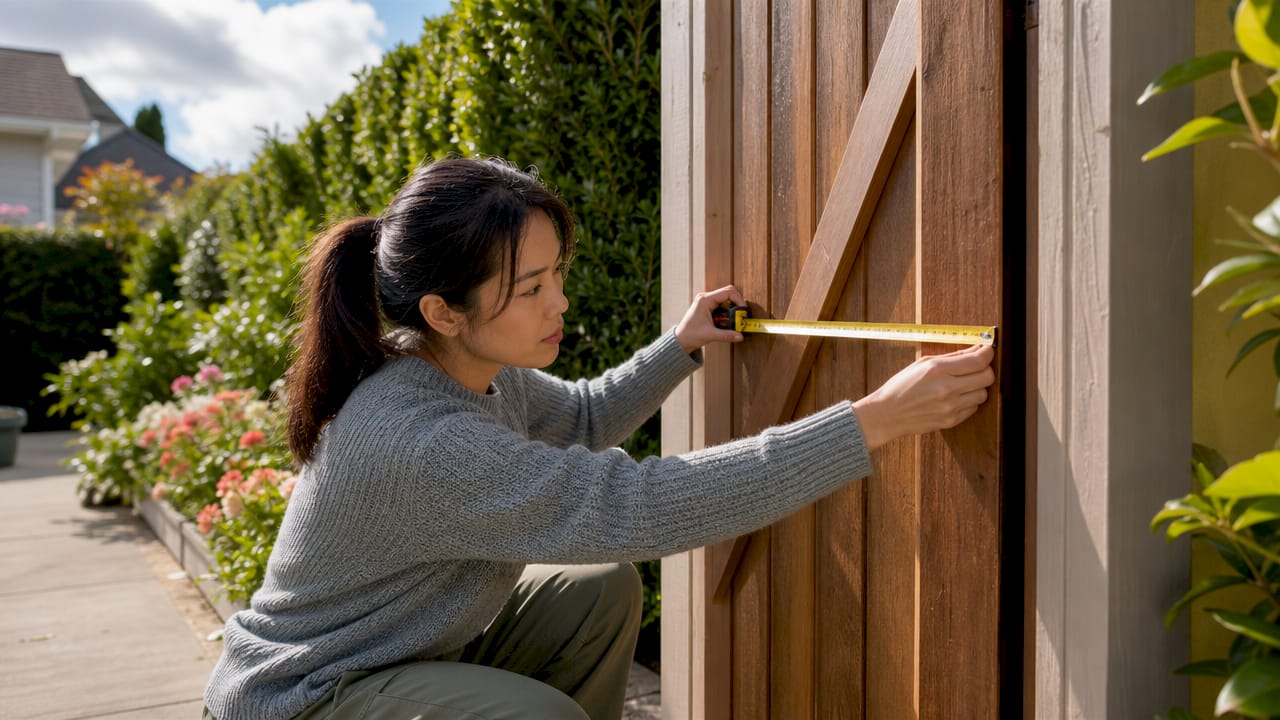
Site analysis comes first. Measure your gate opening at least three times, at the top, middle, and bottom, since openings are rarely perfectly square. Evaluate your driveway slope carefully. A slope greater than 5 degrees affects whether a swing gate or sliding gate will operate correctly. Sliding gates need a clear run of space equal to the gate width plus 20% on one side. Swing gates need unobstructed clearance in the direction of travel.
Permit requirements in Los Angeles are real and specific. The City of Los Angeles requires permits for gates above a certain height, and many neighborhoods in Encino, Pasadena, and West Hollywood have homeowner association guidelines that restrict design styles, colors, or automation features. Check both before you finalize any design. Skipping this step can result in forced removal or costly modifications after installation.
Gather your design references before your first consultation. Photos of gates you admire, sketches, or even screenshots from architecture sites give your fabricator a concrete starting point. Decide early whether security or visual openness is your priority. A solid steel panel gate maximizes privacy and security. An open picket design in wrought iron maximizes curb appeal while still marking your boundary clearly.
Material choice directly affects cost, weight, and long-term maintenance. Wrought iron delivers classic aesthetics. Steel provides superior strength. Aluminum resists rust and suits coastal properties in Santa Monica or Culver City where salt air accelerates corrosion. Each material also affects how much motor power an automated gate system requires.
- Measure the opening width and height three times
- Confirm driveway slope and clearance for your gate type
- Check Los Angeles permit requirements and HOA rules
- Collect design references and define your security vs. aesthetics priority
- Choose your base material based on climate, weight, and budget
Pro Tip: Work with a single provider that handles design, fabrication, and installation together. Integrated design-build-install teams reduce accountability gaps and eliminate the sizing mismatches that happen when separate vendors hand off work to each other.
How does the custom design and approval phase work?
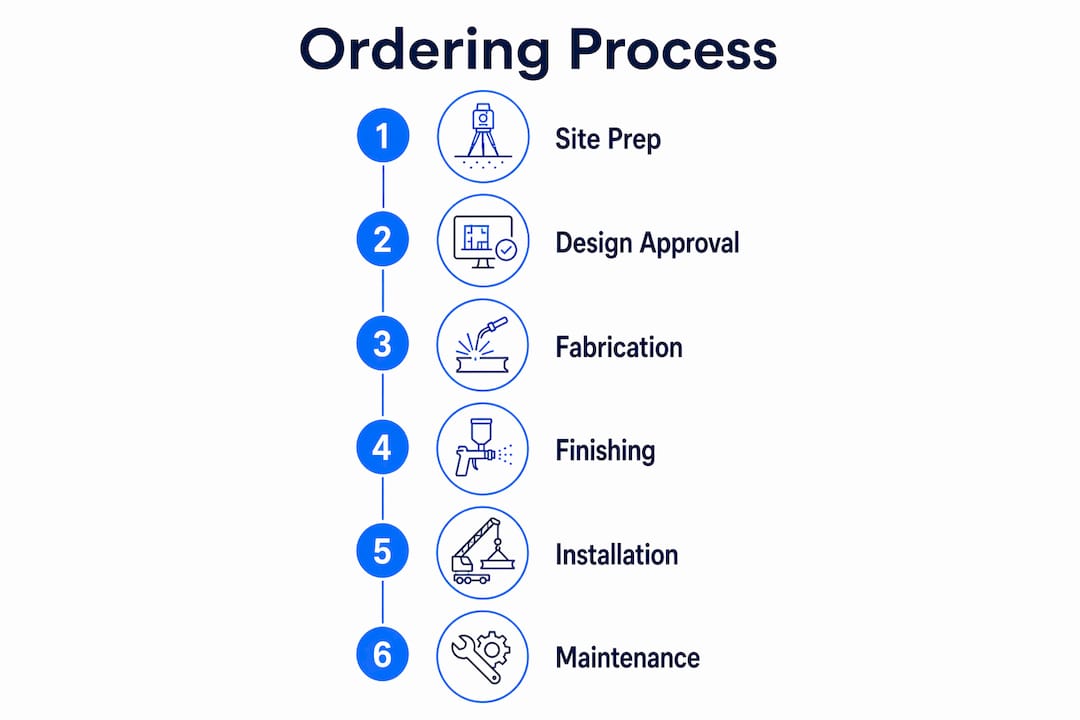
The design phase is where your concept becomes a technical drawing ready for fabrication. This phase typically takes 2–3 weeks for standard projects. Complex artistic elements, such as laser-cut panels or original scrollwork artwork, extend that timeline significantly and add to the base cost.
The phase follows a clear sequence:
- Initial consultation. Your designer reviews your site measurements, design references, and functional requirements. Automation needs, pedestrian gate integration, and intercom placement are all confirmed here.
- CAD drawing creation. The fabricator produces a technical drawing showing exact dimensions, panel layout, hardware placement, and finish specifications. This drawing becomes the legal reference for your order.
- Review and revision. You review the CAD drawing and request changes. Most standard projects require one or two revision rounds. Artistic designs may require more.
- Final approval. You sign off on the drawing. This approval locks the design. Changes after this point cost time and money.
- Production payment trigger. Your approval releases the production payment, which locks in material orders and schedules fabrication.
Custom residential driveway gates typically start at $7,500 for standard sizes and materials. Automated gates add equipment and wiring costs on top of that base price. Budget for potential adjustments during the design phase, since adding decorative elements or changing dimensions after the initial quote will revise the final price.
The payment structure for custom iron gate orders follows a tiered model. A 20% deposit starts the technical drawing process. A 70% production payment follows design approval and locks in your materials. The remaining 10% splits between shipment and post-installation sign-off. This structure protects both parties and keeps the project moving.
| Payment Stage Percentage Trigger | ||
| Design deposit | 20% | Consultation complete, drawing begins |
| Production payment | 70% | Design approved, fabrication starts |
| Shipment payment | 5% | Gate ships from fabrication facility |
| Final payment | 5% | Installation complete and accepted |
Pro Tip: Approve your CAD drawing carefully before signing off. Changes after production payment are restricted and typically incur penalties because material orders are already locked in. Spend extra time in the review stage rather than rushing to production.
What happens during the fabrication and finishing stages?
Fabrication is the physical transformation of your approved design into a finished gate. A skilled fabricator follows the CAD drawing exactly, cutting steel or iron to specified dimensions, welding joints, grinding welds smooth, and fitting all components before applying any finish.
The fabrication sequence for a standard iron gate includes:
- Cutting. Steel or iron stock is cut to dimension using plasma cutters or angle grinders, depending on the profile.
- Welding. Joints are welded using MIG or TIG processes. Weld quality directly affects structural integrity and long-term durability.
- Grinding and fitting. Welds are ground smooth and all components are dry-fitted to confirm the gate matches the approved drawing dimensions.
- Sandblasting. The gate surface is blasted clean to remove mill scale and prepare the metal for coating adhesion.
- Powder coating or paint. Powder coating and anti-corrosion treatments adapted for coastal or high-humidity environments extend gate life significantly. Properties in Santa Monica or Bel Air benefit most from marine-grade primer layers under the topcoat.
Finishing options include gloss powder coat in standard or custom colors, patina finishes for an aged aesthetic, and enamel coatings for high-traffic gates. Each finish has different maintenance requirements. Gloss powder coat is the most durable and easiest to clean. Patina finishes require periodic wax or sealant application to prevent uneven oxidation.
Quality control at this stage means checking weld integrity, confirming gate dimensions match the CAD drawing within tolerance, and testing hardware fit before the gate leaves the shop. A gate that passes shop inspection installs faster and operates correctly from day one.
Pro Tip: Ask your fabricator for photos at each fabrication stage: after welding, after grinding, and after coating. This keeps you informed and catches any deviation from the approved design before the gate ships.
How is a handcrafted iron gate installed for lasting functionality?
Professional installation is what converts a fabricated gate into a functioning entry system. The process follows a defined sequence that experienced installers do not shortcut.
- Site preparation. Posts are set in concrete below the frost line. In Los Angeles, frost depth is minimal, but post depth still matters for soil stability, especially in hillside properties in Studio City or Sherman Oaks where soil movement is common.
- Post setting and alignment. Posts are plumbed and braced while concrete cures. Misaligned posts create binding and premature wear on hinges.
- Gate hanging. Industrial-strength hinges rated for the gate’s weight are mounted to the posts. The gate is hung and adjusted for level operation and consistent gap spacing.
- Automation integration. If your gate includes a motor, the installer wires the drive unit, programs limit switches, and connects remotes, keypads, or intercom systems. Automation integration requires correct power supply sizing for the gate’s weight and cycle frequency.
- Safety system testing. Sensors and obstruction detection are tested to confirm they stop gate movement when an object is detected. This step meets Los Angeles safety standards for automated residential gates.
- Client walkthrough. The installer demonstrates operation, explains maintenance requirements, and confirms you can operate all access control features independently.
“A gate that is perfectly fabricated but poorly installed will fail within months. Post depth, hinge rating, and motor sizing are not areas where shortcuts pay off.” — Installation standard, Los Angeles residential gate industry
Installation best practices include testing safety sensors and programming controls before the project is considered complete. Never accept a gate handoff without a full operational demonstration.
What common pitfalls should you avoid during the ordering process?
The bespoke gate ordering process has predictable failure points. Knowing them in advance saves money and time.
- Incorrect measurements. A gate ordered 2 inches too wide or too narrow cannot be adjusted on site. Measure three times and have your installer verify measurements before the design is approved.
- Fragmented service providers. Using separate companies for design, fabrication, and installation creates handoff gaps. Sizing and mechanical mismatches are far more common when no single team owns the full project.
- Late payments delaying production. Fabrication shops schedule production based on payment receipt. A delayed production payment pushes your project back in the queue, sometimes by weeks.
- Design changes after production starts. Late-stage design changes cause costly delays and penalties. Lock your design before approving the production payment.
- Underestimating automation costs. Adding a motor, keypad, and intercom after the gate design is finalized often requires structural modifications. Include automation requirements in the initial design brief.
Pro Tip: Review your gate maintenance plan before installation is complete. Knowing the lubrication schedule, coating touch-up intervals, and sensor testing frequency extends gate life and prevents avoidable repairs.
Key Takeaways
The handcrafted iron gate ordering process succeeds when site preparation, design approval, fabrication quality, and professional installation are treated as connected steps managed by a single accountable team.
| Point Details | |
| Prepare before ordering | Measure openings accurately, confirm permits, and define design priorities before any consultation. |
| Lock design before production | Approve CAD drawings carefully because changes after the 70% production payment incur penalties. |
| Choose materials for your climate | Aluminum and powder-coated steel outperform bare wrought iron in coastal Los Angeles environments. |
| Use integrated teams | Design-build-install providers reduce errors and eliminate handoff gaps between separate vendors. |
| Plan for automation upfront | Include motor, sensor, and access control requirements in the initial design brief to avoid costly retrofits. |
Why I think most homeowners underestimate this process
I have worked with hundreds of homeowners across Los Angeles, from Pasadena to Pacific Palisades, and the pattern is consistent. Homeowners treat a custom iron gate like an off-the-shelf product. They expect to pick a style, pay a deposit, and have a gate appear in two weeks. That expectation sets up frustration.
The reality is that a handcrafted gate is a construction project. It involves engineering, fabrication, permits, and skilled installation. The 6–12 week timeline is not a vendor delay. It is the actual time required to do the work correctly. Rushing any phase, especially design approval, creates problems that cost more to fix than the time saved.
The other misconception I see constantly is that splitting the work across multiple vendors saves money. It rarely does. When the fabricator blames the installer and the installer blames the designer, you are the one paying for the resolution. An integrated team has no one to blame but itself, and that accountability produces better results.
My honest advice: treat the design consultation as the most important meeting in the project. Bring your measurements, your photos, your budget ceiling, and your automation requirements. Decide everything before the CAD drawing starts. Every decision you defer costs you time or money later.
— Moin
Budget your custom gate project with Fence-gate-estimator
Planning a handcrafted iron gate project in Los Angeles starts with knowing your realistic budget before you speak to a single fabricator. Fence-gate-estimator provides an instant custom gate cost estimate based on your property size, design preferences, and automation needs, using current Los Angeles material and labor rates.
Fence-gate-estimator covers driveway gate options, gate automation systems, and pedestrian gate solutions across Beverly Hills, Glendale, Burbank, and the wider Los Angeles area. The cost calculator gives you a transparent breakdown before any commitment, so you walk into your design consultation with accurate numbers and clear expectations.